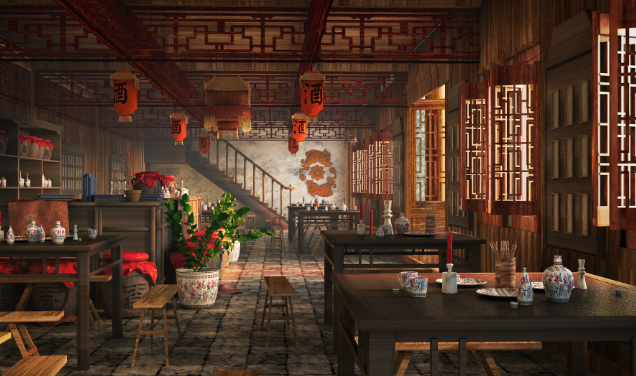
Chinese restaurant dining can add an exciting dimension to any food journey, especially when the goal involves discovering new flavors rather than simply finding a familiar meal. Chinese cuisine offers remarkable variety across regional specialties, cooking techniques, ingredients, and dining customs. One restaurant www.newhongkongchineserestaurant.com visit can introduce handmade dumplings, aromatic noodles, roasted meats, delicate seafood, crisp vegetables, flavorful soups, and traditional tea. Travelers can make the experience more rewarding by choosing dishes that provide different textures and seasoning profiles instead of ordering several similar plates. Shared dining also creates more opportunities to taste unfamiliar foods and compare regional styles. With a little curiosity, each Chinese restaurant can become a destination within the larger journey, offering memorable flavors and cultural details that ordinary sightseeing may not provide.
Explore a Regional Specialty
Regional dishes can give your food journey a stronger sense of place. Chinese cuisine varies considerably across different areas, with each region developing its own ingredients, techniques, and flavor preferences. Sichuan cooking often brings chili and Sichuan peppercorns, while Cantonese traditions commonly emphasize fresh ingredients and balanced seasoning. Northern Chinese cuisine has strong connections to dumplings, noodles, and steamed breads. Coastal regions can offer seafood prepared with local techniques and seasonings. Choosing a regional specialty allows diners to experience something connected to a particular culinary tradition instead of selecting only globally familiar dishes. It also creates an easy conversation starter when dining with friends or family who enjoy comparing food experiences.
Build a Shared Table
A shared table provides one of the easiest ways to turn a restaurant visit into a food adventure. Rather than ordering one dish per person, diners can select several smaller or shareable plates with different characteristics. Dumplings can accompany roasted meat, while seafood can sit beside vegetables and noodles. Spicy dishes can balance mild selections, creating variety across the entire meal. Everyone gets an opportunity to taste something different, and unfamiliar dishes feel less intimidating when the group can share them. This style of dining also encourages conversation because guests naturally exchange opinions about flavors, textures, and favorite bites. The meal becomes an experience built around discovery rather than simply finishing a plate.
Try More Than One Dumpling Style
Dumplings offer plenty of room for exploration because restaurants can prepare them in several ways. Steamed dumplings provide tender wrappers, while pan-fried versions develop crisp surfaces. Boiled varieties offer another texture, and soup-filled dumplings introduce a different eating experience altogether. Fillings can include pork, shrimp, beef, vegetables, mushrooms, or creative combinations. Sauces can further change the flavor through vinegar, soy, sesame, chili, or other seasonings. Ordering two styles can reveal how preparation influences the same basic concept. Dumplings also work naturally as shared food, making them a convenient choice for groups who want to sample several varieties during one meal.
Follow a Noodle Trail
Noodles can become a small culinary journey of their own. Chinese restaurants may serve noodles in broths, stir-fries, dry preparations, or dishes coated with savory sauces. Thickness and shape influence the texture, while toppings add another layer of variety. Beef, pork, shrimp, mushrooms, leafy greens, and scallions can all create different combinations. Handmade noodles can provide additional interest because their texture reflects the preparation technique. Travelers can compare noodle dishes from different restaurants or regions to understand how local traditions shape this familiar staple. A noodle-focused exploration can be especially rewarding for diners who enjoy comforting food but still want plenty of variety.
Order a Roasted Specialty
Roasted meats can provide a rich centerpiece for a Chinese restaurant meal. Roast duck and char siu demonstrate how careful seasoning and controlled cooking can create complex aromas and contrasting textures. Crisp surfaces can complement tender meat, while sauces or accompaniments provide additional balance. These dishes work particularly well with steamed rice, vegetables, or lighter soups. Travelers who usually choose stir-fried dishes can use a roasted specialty as an opportunity to experience a different technique. Sharing the dish also allows everyone to enjoy its richness without making it the only flavor on the table. A well-prepared roasted specialty can easily become one of the memorable stops on a food journey.
Give Seafood a Chance
Seafood can introduce lighter yet highly distinctive flavors to the table. Fish, shrimp, squid, and shellfish can appear steamed, stir-fried, braised, or prepared with aromatic sauces. Steamed fish with ginger and scallions allows the ingredient’s natural qualities to remain prominent, while spicy seafood dishes create a much stronger experience. Shrimp can pair particularly well with garlic, chili, or savory sauces, producing both sweetness and intensity. Travelers visiting coastal destinations can pay special attention to seafood menus because local availability often influences restaurant offerings. Trying different preparations can reveal how technique changes the texture and character of each ingredient.
Make Vegetables Part of the Adventure
Vegetable dishes can add freshness and surprising complexity to a shared meal. Chinese restaurants may feature bok choy, Chinese broccoli, eggplant, mushrooms, snow peas, bean sprouts, and leafy greens. Stir-frying can preserve crispness, while braising can create softer textures and deeper flavors. Garlic, ginger, sesame, and fermented seasonings can transform simple vegetables into memorable dishes. Ordering at least one vegetable selection can also create useful balance beside fried dumplings, roasted meats, or rich noodles. Diners who normally overlook this part of the menu may discover new favorites by trying different preparations. Vegetables can therefore become an unexpected highlight of a food-focused itinerary.
Compare Cooking Techniques
One of the best ways to deepen a Chinese food journey involves comparing how cooks prepare similar ingredients. Steaming emphasizes moisture and natural flavor, while stir-frying introduces high-heat aromas and crisp textures. Braising creates tenderness and allows sauces to develop gradually, while roasting produces rich surfaces and deeper fragrance. Ordering dishes that use different techniques can make these contrasts easier to notice. A vegetable prepared through quick wok cooking may taste completely different from one slowly braised in a savory sauce. Paying attention to preparation gives diners another reason to explore beyond familiar dishes and appreciate the craftsmanship behind each selection.
Explore Bold and Gentle Flavors
A successful shared meal benefits from contrast. Diners can combine a spicy dish with something mild, pair a rich roasted specialty with fresh vegetables, or place a tangy preparation beside savory noodles. This strategy prevents the palate from becoming overwhelmed by one dominant flavor. Chili, vinegar, soy sauce, sesame, fermented ingredients, garlic, and ginger each contribute different sensations. Exploring these elements together can reveal how Chinese cooking creates balance rather than relying on intensity alone. A varied table also gives each diner greater freedom to find something appealing. Bold flavors become more enjoyable when lighter selections provide room to reset between bites.
Add Traditional Tea
Tea can make a Chinese restaurant visit feel more complete while offering another opportunity to explore flavor. Jasmine tea brings floral notes, green tea provides freshness, and oolong or pu-erh offers deeper aromas. Tea can refresh the palate between rich or spicy dishes and create a natural pause during the meal. Sharing a pot also fits comfortably with communal dining, allowing guests to continue conversations while tasting different foods. Travelers interested in culinary culture can pay attention to the role tea plays in the restaurant experience. The beverage can provide insight into hospitality traditions that extend beyond the kitchen and into the social rhythm of dining.
Ask About Lesser-Known Dishes
Restaurant staff can sometimes point diners toward specialties that receive less attention from first-time visitors. Asking about regional favorites, seasonal dishes, handmade items, or house specialties can lead to discoveries that a quick menu scan might miss. This approach works especially well when diners already know several standard Chinese dishes and want something different. A recommended soup, vegetable preparation, seafood dish, or regional specialty may become the most memorable part of the meal. Staying open to suggestions also allows the restaurant to shape part of the food journey. Instead of following a predictable order, diners can let local knowledge introduce an unexpected direction.
Leave Space for Dessert
Dessert can complete the exploration by introducing flavors and textures that differ from savory dishes. Chinese restaurants may offer sweet soups, sesame-based treats, fruit preparations, rice-based desserts, or other regional specialties. Some options provide gentle sweetness rather than the richness commonly associated with Western desserts. Trying a traditional sweet dish can therefore add another perspective to the meal. Travelers who usually finish with tea alone may find that dessert provides an enjoyable final discovery. Leaving enough room at the end of the meal keeps the culinary journey open until the last course.
Turn Each Visit Into Discovery
Chinese restaurant dining can become one of the most rewarding parts of a food journey when diners approach the menu with curiosity. Regional specialties provide cultural context, shared plates create variety, and different cooking techniques reveal the depth behind familiar ingredients. Dumplings, noodles, roasted meats, seafood, vegetables, tea, and desserts each offer another direction to explore. The key is not to order everything at once but to make thoughtful choices that create contrast and encourage discovery. A familiar favorite can anchor the meal while one unfamiliar dish introduces something new. Over time, these small choices can transform ordinary restaurant visits into a collection of memorable culinary experiences.