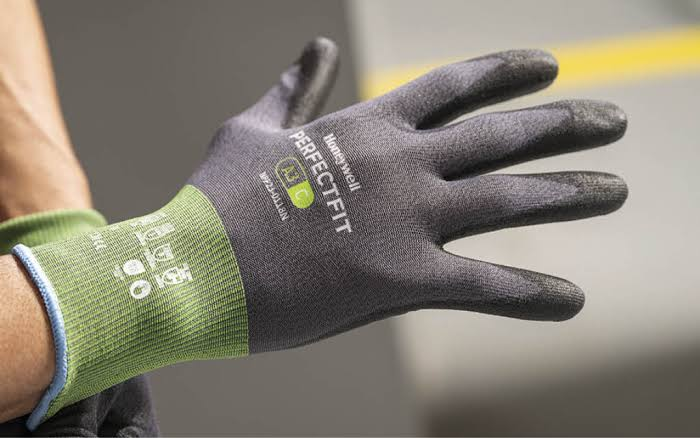
Glove cuff design plays an important role in how well protective gloves fit, cover the wrist, and support workplace safety. Although buyers often focus on glove material, thickness, and durability, the cuff also affects how comfortably a glove stays in place during daily tasks. In healthcare, laboratories, food processing, and industrial settings, choosing the right cuff style can help workers maintain suitable hand protection.
Different tasks create different demands. Some require quick glove removal, while others call for additional wrist coverage or a more secure fit. Understanding these differences helps businesses select https://www.glovesupply.us/ that match their working conditions and handling requirements.
Common Types of Glove Cuff Designs
Disposable gloves often feature straight, rolled, or beaded cuffs. Each design serves a practical purpose, and the most suitable option depends on the glove’s intended use.
Straight cuffs have a simple, smooth edge that supports easy donning and removal. They are common in disposable gloves used for routine examinations, food preparation, and general cleaning. Their straightforward construction can suit workplaces where employees change gloves frequently.
Rolled cuffs have an edge folded into a small roll during manufacturing. This structure can make the cuff easier to grasp when putting gloves on and may help reinforce the opening. Beaded cuffs also feature a rolled edge, often designed to improve handling and reduce the chance of the cuff tearing during donning.
These designs do not provide identical performance across every product. Material, glove thickness, sizing, and manufacturing quality also affect fit and durability.
How Cuff Length Affects Wrist Protection
Cuff length determines how much of the wrist and lower forearm a glove can cover. Standard-length cuffs may suit many routine tasks, while extended cuffs can offer additional coverage when work involves splashes or contact with certain substances.
In laboratories and industrial environments, workers should select gloves according to the hazards involved. A longer cuff may improve coverage, but it does not automatically make a glove suitable for every chemical or liquid. Users must check the product’s compatibility information and follow workplace safety procedures.
Healthcare professionals also need to consider how gloves fit around the wrist. A cuff that sits properly can help reduce gaps between the glove and protective clothing. However, glove cuffs alone cannot guarantee protection against contamination, especially if workers use incorrect removal techniques or choose an unsuitable glove size.
Selecting Glove Cuffs for Different Work Environments
Healthcare facilities often prioritize comfortable fit, reliable donning, and convenient glove changes. Food service operations may favor cuffs that support quick handling during frequent changes between tasks. Meanwhile, manufacturing and laboratory workplaces may require greater wrist coverage based on exposure risks.
Businesses should assess task duration, hand movements, sleeve compatibility, and the frequency of glove replacement before choosing a design. They should also consider whether workers can put on and remove gloves without excessive difficulty.
When comparing disposable glove cuff options, purchasing teams should review product specifications alongside material performance and intended use. Samples can help staff assess comfort and ease of handling before an organization places larger orders.
Glove Cuff Design, Fit, and Quality Control
Even a well-designed cuff may perform poorly if the glove size does not suit the wearer. An opening that feels too loose can shift during movement, while an overly tight cuff may cause discomfort and make removal difficult. Consistent sizing and manufacturing quality therefore remain important factors in glove selection.
Suppliers should provide clear information about dimensions, materials, and recommended applications. By reviewing these details, businesses can choose glove designs that support practical handling needs while maintaining appropriate protection for their specialized work environments.